Why UPI Is the Best Way to Settle Shared Expenses in India (2026)
UPI has transformed debt settlement in India — instant, free, works across all banks, and requires only a phone number. Here's why UPI beats cash and bank transfers, and how Niptao integrates UPI natively.
Before UPI, settling shared expenses in India was genuinely painful. Cash required everyone to be in the same room. Bank transfers needed full account numbers and IFSC codes. Cheques took days to clear. Sending ₹847 to a friend was a production.
UPI made it a 10-second operation. And it changed how India settles group expenses forever.
Here's why UPI is the undisputed best way to settle shared debts in India — and how Niptao + UPI creates the perfect expense settlement system.
What UPI Changed: The Before and After
Before UPI (Pre-2016)
Cash: Required physical presence. Awkward for exact amounts (try making change for ₹347). No transaction record. Security risk for large amounts.
NEFT/RTGS: Required the recipient's full bank account number and IFSC code — information most people don't carry in their heads. Processing had delays. Batch hours meant you couldn't transfer at 11pm.
Cheques: 2–3 day clearing time. Required a cheque book. Could bounce. Completely impractical for the frequent small settlements that friend groups need.
Wallets (Paytm era): Required both parties to have money in the same wallet. Not interoperable. Worked for merchants but limited for P2P.
After UPI (2016 → present)
- Send money using just a mobile number or UPI ID
- Transfers complete in under 3 seconds, 24/7
- Zero fees for person-to-person transfers
- No minimum or (practical) maximum amount
- Works across all banks — your SBI account to their HDFC account, no problem
- Transaction record maintained digitally for both parties
India went from one of the most friction-heavy payment environments to one of the smoothest in the world. In roughly 9 years.
The Five Reasons UPI is Perfect for Expense Settlement
1. Instant — No Waiting, No "I'll Pay You Later"
A UPI transfer completes in under 3 seconds. The moment you send, the money is in the recipient's account. Not "tomorrow morning." Not "after banking hours." Right now.
This speed changes the psychology of settlement. When settling is instant, people settle immediately rather than putting it off. "I'll transfer you later" becomes unnecessary when "later" is indistinguishable from "now."
In practice: A 5-person group settles a ₹45,000 trip in 5 UPI transfers over 8 minutes. The same settlement via NEFT would have taken days and required everyone to share banking details they don't have memorised.
2. Free for P2P — No Cost for Any Amount
Person-to-person UPI transfers have zero transaction fees. Sending ₹47 to settle a small debt costs the same as sending ₹47,000: nothing.
This is crucial for micro-settlements. If settling a ₹120 debt costs ₹5 in bank fees, there's psychological resistance to the transaction. When it's free, every debt gets settled — even the tiny ones that would otherwise accumulate and become awkward.
3. Works With Just a Phone Number
You don't need your friend's bank account number, IFSC code, or branch name. You need their mobile number (if they've linked it to UPI) or their UPI ID (like @paytm, @ybl, @okicici).
These are exactly the details friends and flatmates already have. Opening your contact list in GPay and seeing your friend's face makes settlement feel like a social gesture, not a financial transaction.
4. Works Across All Banks
UPI is bank-agnostic by design. Your Punjab National Bank account can send directly to your friend's Axis Bank account, through your roommate's Federal Bank account, to your colleague's Kotak account.
No bank-specific apps. No beneficiary registration with 30-minute activation windows. Just UPI ID to UPI ID, instant.
5. Creates a Digital Record
Every UPI transfer generates:
- A transaction ID (unique, verifiable)
- A notification to both parties
- An entry in both parties' UPI app history
If there's ever a dispute — "I already paid you" — both parties can verify immediately. No ambiguity. This matters for larger group settlements where memory is unreliable.
The Four Main UPI Apps for Expense Settlement
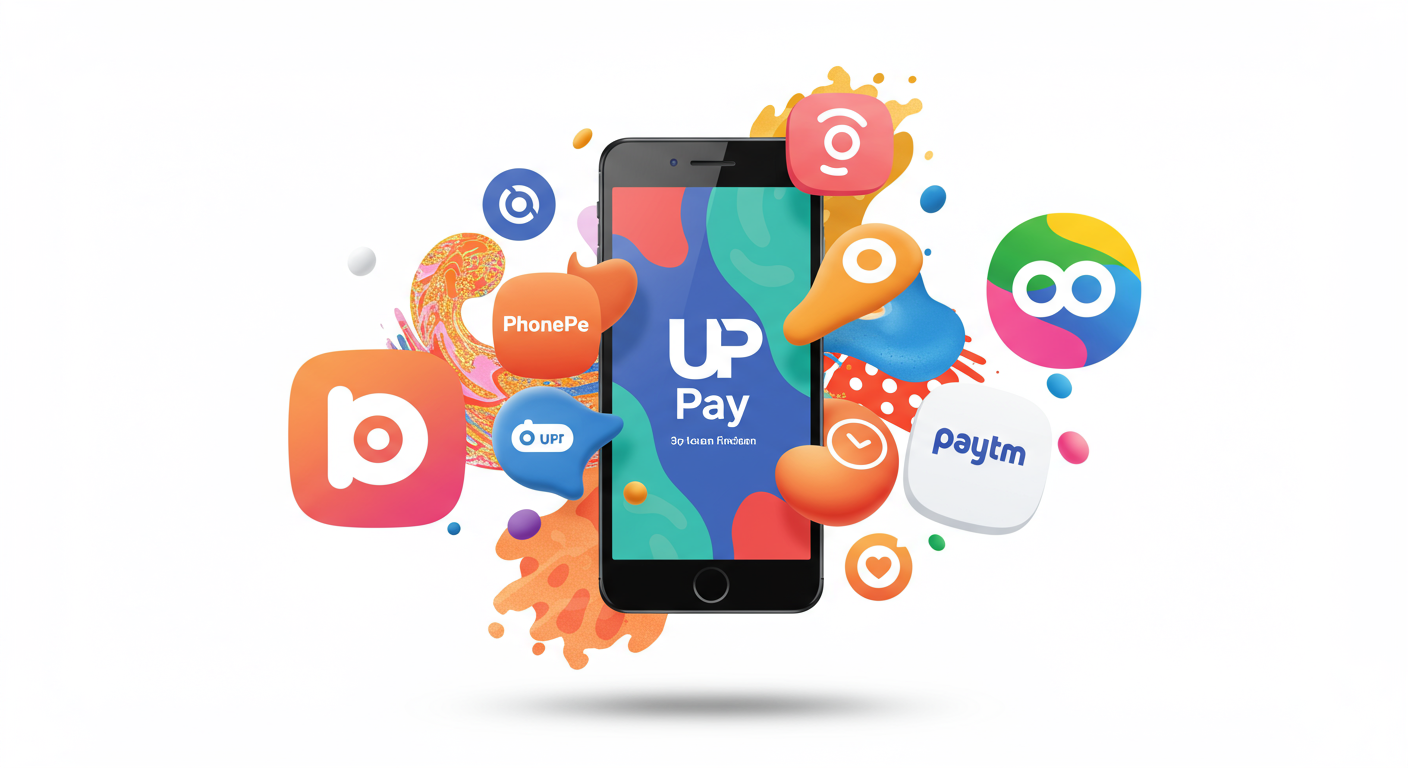
Google Pay (GPay)
The most popular UPI app among India's younger demographics. Clean interface, excellent contact integration (shows who to pay based on your contacts), quick transaction history. Also has a basic bill-split feature for simple same-moment splits.
Best for: Friends who are all in your Google contacts. Easy to verify recent settlements.
PhonePe
India's second-largest UPI app by transaction volume. Particularly strong in tier-2 and tier-3 cities. Fast, reliable, and excellent for direct transfers.
Best for: Groups where some members are in smaller cities. High reliability.
Paytm
The pioneer that introduced India to digital payments. Now fully UPI-integrated in addition to its wallet functionality. Still has strong merchant acceptance for hybrid use cases.
Best for: Users who adopted digital payments before UPI became dominant and have existing Paytm contacts.
BHIM (Bharat Interface for Money)
NPCI's own UPI app. Lightweight, works on older/basic smartphones, and doesn't require a data-intensive app. Ideal for users with limited storage or older devices.
Best for: Users on older phones, limited storage, or those who prefer the government-official app.
Why Cash Still Fails for Group Expense Settlement
People still default to cash for small settlements. Here's why it's a worse choice than UPI in every scenario:
Requires physical presence: You can only hand over cash in the same location. After a Goa trip where everyone disperses to different flights, cash settlement is impossible.
The change problem: Settling ₹847 in cash requires exact change. Almost no one has it. You end up with awkward rounding, "keep the change" dynamics, or "I'll pay you the ₹47 later" promises that never happen.
No record: Cash is unverifiable. If there's a dispute — "I gave you ₹2,000 for the hotel" — there's no evidence. UPI creates an instant, permanent record.
Security: Carrying ₹8,000–₹15,000 to settle a group trip is a theft risk. UPI eliminates this entirely.
Awkward for exact amounts: UPI sends exactly ₹1,847. Cash requires ₹1,847 in your wallet. One of these is always available. The other is rarely convenient.
How Niptao + UPI Creates the Complete System
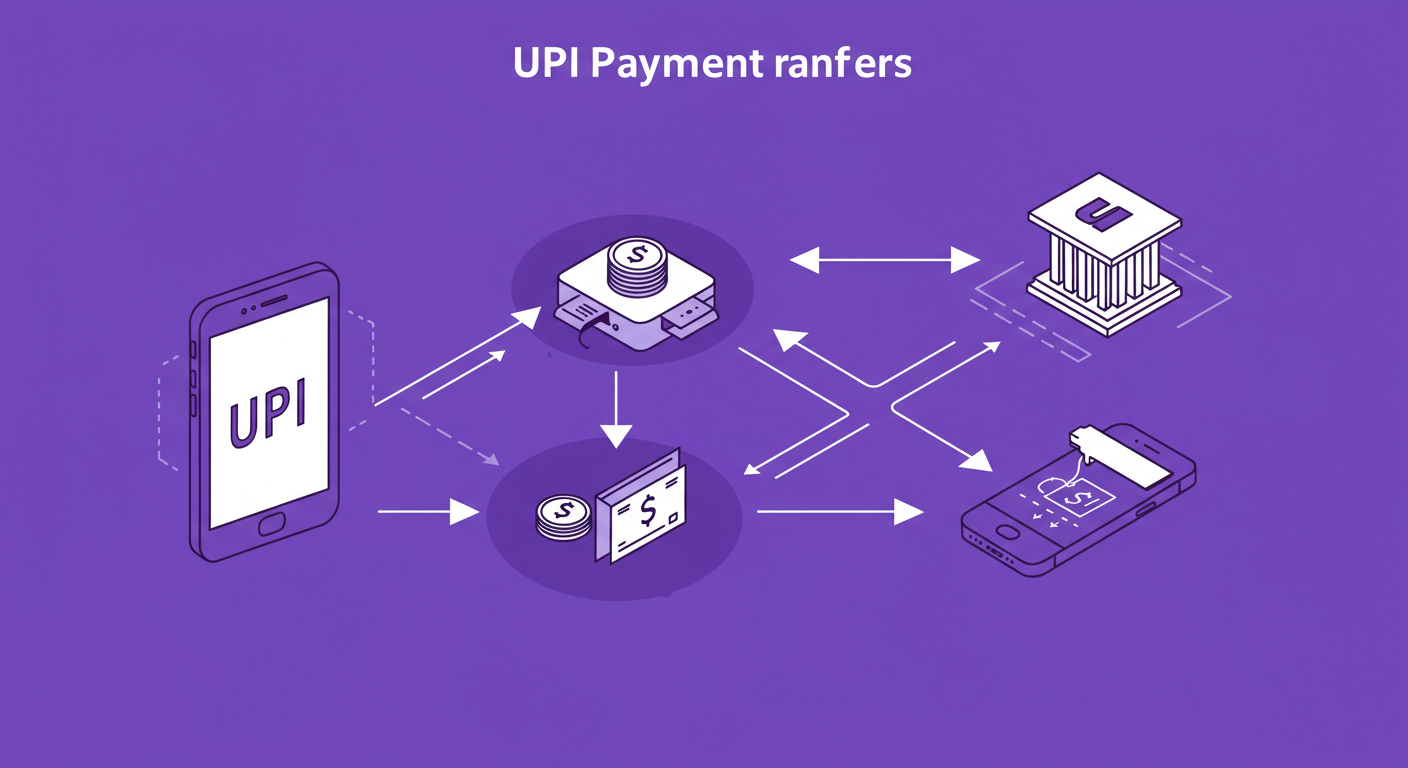
UPI handles the money movement. Niptao handles the intelligence layer — which is everything that happens before the money moves:
- Tracking: Who paid for what, split how, among whom
- Calculating: Each person's net balance across all expenses
- Simplifying: Minimum number of UPI transfers to settle everything
- Presenting: Clear, actionable settlement plan
The result: you know exactly who to pay, exactly how much, and the UPI transfer is the last step — not a separate, friction-filled process.
The complete workflow:
- Trip happens → expenses logged in Niptao as they occur
- Trip ends → Niptao calculates net balances
- Debt simplification runs → minimum transfers identified
- Settlement screen → each person sees who to pay and how much
- UPI transfers executed → typically 4–6 transfers for a 6-person trip
- Balances confirmed → group settled
The combination of smart expense tracking (Niptao) + instant payment rails (UPI) is the best expense settlement system available to any group in India.
Ready to niptao karo? Create a free group on Niptao and settle via UPI in seconds.
Ready to try Niptao?
Free bill splitting with UPI settlement. No credit card needed.
Get started free →