How to Split Grocery Bills With Roommates in India (Without the Drama)
Grocery splitting is the messiest part of flatmate finances in India — one person is vegan, another barely cooks, someone always buys expensive stuff. Here are 4 methods that actually work, with a guide to using Niptao.
Rent is easy — it's the same every month. Electricity is manageable — one bill, split equally. But groceries? Groceries are where flatmate finance gets genuinely messy.
One flatmate is vegetarian, another eats non-veg daily. One barely cooks and mostly orders Swiggy. One does elaborate weekend meal prep. One buys expensive protein powder and organic produce; another survives on basic dal and rice.
How do you split groceries fairly when everyone's food habits are completely different?
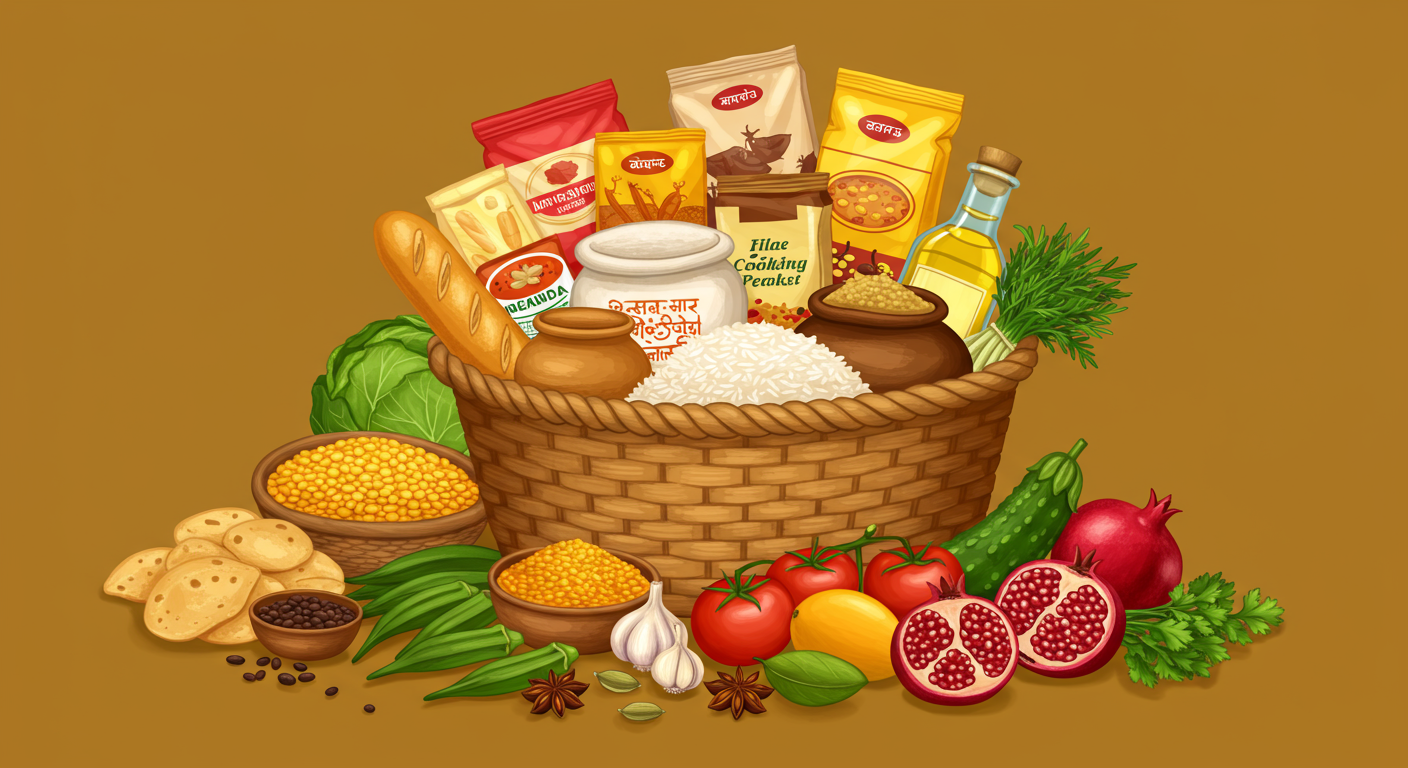
The Classic Indian Flatmate Grocery Situation
Here's a typical Big Basket order from a 3-flatmate household in Bangalore:
| Item | Amount | Shared? |
|---|---|---|
| Cooking oil (2L) | ₹220 | Yes — all three cook |
| Toor dal (1kg) | ₹160 | Yes — used in shared cooking |
| Vegetables (assorted) | ₹380 | Partially — some are for shared cooking |
| Bread (brown, 1 loaf) | ₹65 | No — only Priya eats bread |
| Eggs (12 pack) | ₹95 | No — only Rahul eats eggs |
| Protein powder | ₹650 | No — only Ananya uses it |
| Floor cleaner | ₹140 | Yes — clearly shared |
| Snacks (chips, biscuits) | ₹280 | Partial — Priya bought specific snacks |
| Total | ₹1,990 |
Splitting ₹1,990 equally three ways gives ₹663 each. But Priya's personal items (bread ₹65 + snacks ₹280) account for ₹345 of her purchase. Ananya's protein powder is ₹650. These are not shared — but equal split charges everyone for them.
This is the grocery problem. Here are four ways to solve it.
Method 1: Full Equal Split (Simple, Imperfect)
Everyone splits every grocery purchase equally, regardless of who bought what.
When it works: Flatmates who cook together regularly, have genuinely similar dietary habits, and similar consumption patterns. If three people cook together most nights and shop from a shared list, equal split is completely fine.
When it breaks down: Any significant dietary difference. One vegan in a group of meat-eaters. One person who never cooks. Major personal purchases getting pooled into the shared total.
Verdict: Use this if your flat actually eats together most of the time and your food habits are similar. Skip it if your dietary situations are notably different.
Method 2: Common Items Split, Personal Items Separate (Most Practical)
This is the most commonly used method in Indian flatmate households, and for good reason.
How it works: At billing time, separate the grocery receipt into two buckets:
- Shared items: Cooking oil, common spices, cleaning supplies, dal, rice, vegetables for shared cooking → split equally
- Personal items: Specific dietary requirements, personal snacks, items only one person uses → paid individually
Example from the order above:
- Shared: Cooking oil (₹220) + Dal (₹160) + Shared vegetables (₹280) + Floor cleaner (₹140) = ₹800 → ₹267 per person
- Personal (Priya): Bread ₹65 + Personal snacks ₹280 = ₹345 — Priya's alone
- Personal (Ananya): Protein powder ₹650 — Ananya's alone
- Personal (Rahul): Eggs ₹95 — Rahul's alone
In Niptao: Log the grocery receipt. Enter ₹800 as the shared expense (split 3 ways). Log personal items as individual expenses for each person. Done.
Method 3: Weekly Grocery Pool (Great for Tight-Knit Flats)
Everyone contributes a fixed weekly amount to a shared grocery fund. One person manages the fund and does the shopping from it. Monthly top-ups based on actual spend.
How to set it up:
- Estimate monthly shared grocery spend per person (typically ₹2,000–₹4,000 in Indian metros)
- Each flatmate contributes ₹500–₹1,000 per week to the pool
- The shopping person pays from the pool
- At month-end, reconcile actual vs contributed — people pay the difference or get a refund
Best for: Flatmates who cook together most nights, have a shared meal plan, and genuinely trust each other's spending. Works beautifully when the group is aligned; breaks down when food habits diverge.
In Niptao: Log weekly contributions as expenses from each person. Track the grocery spends against the pool. The balance automatically shows who has over- or under-contributed.
Method 4: Per-Item Split (Most Accurate, Most Effort)
Go line by line through the receipt and assign each item to the appropriate person(s).
When to use it: Flatmates with very different diets where significant money is involved. When there's been recurring disagreement about grocery fairness. When you want to be unambiguously precise.
In practice: Photograph the grocery receipt in Niptao. Go through it line by line. Assign shared items to everyone, personal items to the relevant person.
Takes 5–10 minutes per receipt but is completely accurate and removes any possibility of dispute.
Clear Guide: What's Shared vs Personal?
Definitely Shared (Split Equally)
- Cooking oil, ghee
- Common spices and masalas (haldi, red chilli, garam masala, hing)
- Salt, sugar, tea, coffee
- Dal and rice (if everyone eats them)
- Common vegetables used in shared cooking
- Cleaning supplies: soap, floor cleaner, toilet cleaner, dish soap
- Kitchen paper, dishcloths
Definitely Personal (Don't Split)
- Dietary supplements and protein powder
- Specific health foods for one person
- Personal snacks (chips, chocolates — especially if bought by one person for themselves)
- Items only one flatmate eats/drinks
- Non-veg items in a household where others are vegetarian
Grey Area (Negotiate Once, Apply Consistently)
- Bread and eggs — if only some people eat them
- Dairy — if dietary habits differ
- Fruits — if not shared equally
- Premium versions of common items (e.g., one person wants organic oil vs regular)
- Non-veg items in a mixed household
The grey area items are worth a 5-minute conversation when you first move in. Make a decision, write it down (or put it in Niptao), and apply it consistently.
Monthly Grocery Budgeting by City
| City | Per Person Monthly Budget |
|---|---|
| Mumbai | ₹3,500–₹6,000 |
| Bangalore | ₹3,000–₹5,000 |
| Delhi NCR | ₹2,500–₹4,500 |
| Pune | ₹2,500–₹4,000 |
| Hyderabad | ₹2,000–₹3,500 |
| Chennai | ₹2,000–₹3,500 |
These are rough estimates for shared household grocery spends (not individual eating out). Actual numbers depend heavily on diet and cooking frequency.
Don't Forget: Maid and Cook Salary
One of the most commonly forgotten-to-track expenses in Indian flatmates. The maid salary (₹2,000–₹5,000/month depending on city and duties) and cook salary (if applicable) are always paid by whoever is home on payment day — and then split later.
Log maid salary in Niptao on payment day, every month, without fail. Do not let this accumulate — it creates the most friction of any recurring flatmate expense because it happens face-to-face and feels personal.
Use our Rent Split Calculator for the rent portion, and Niptao for everything else including groceries, utilities, and household staff.
Ready to niptao karo? Create a free group on Niptao and settle via UPI in seconds.
Ready to try Niptao?
Free bill splitting with UPI settlement. No credit card needed.
Get started free →