How UPI Bill Splitting Works in India (2026 Guide)
How UPI bill splitting works: collect requests, splits and the ₹2 lakh cap explained step by step, with a free way to settle up. Read the guide.
UPI is the best payment infrastructure India has ever had. Instant, free, works across all banks, and available on every smartphone. But here's the problem: when 6 friends go on a 5-day trip and come back with 40 shared expenses, UPI alone can't tell you who owes whom what.
That's the gap. And that's exactly what Niptao + UPI solves together.
This guide explains exactly how UPI bill splitting works — from the first expense to the final settlement.
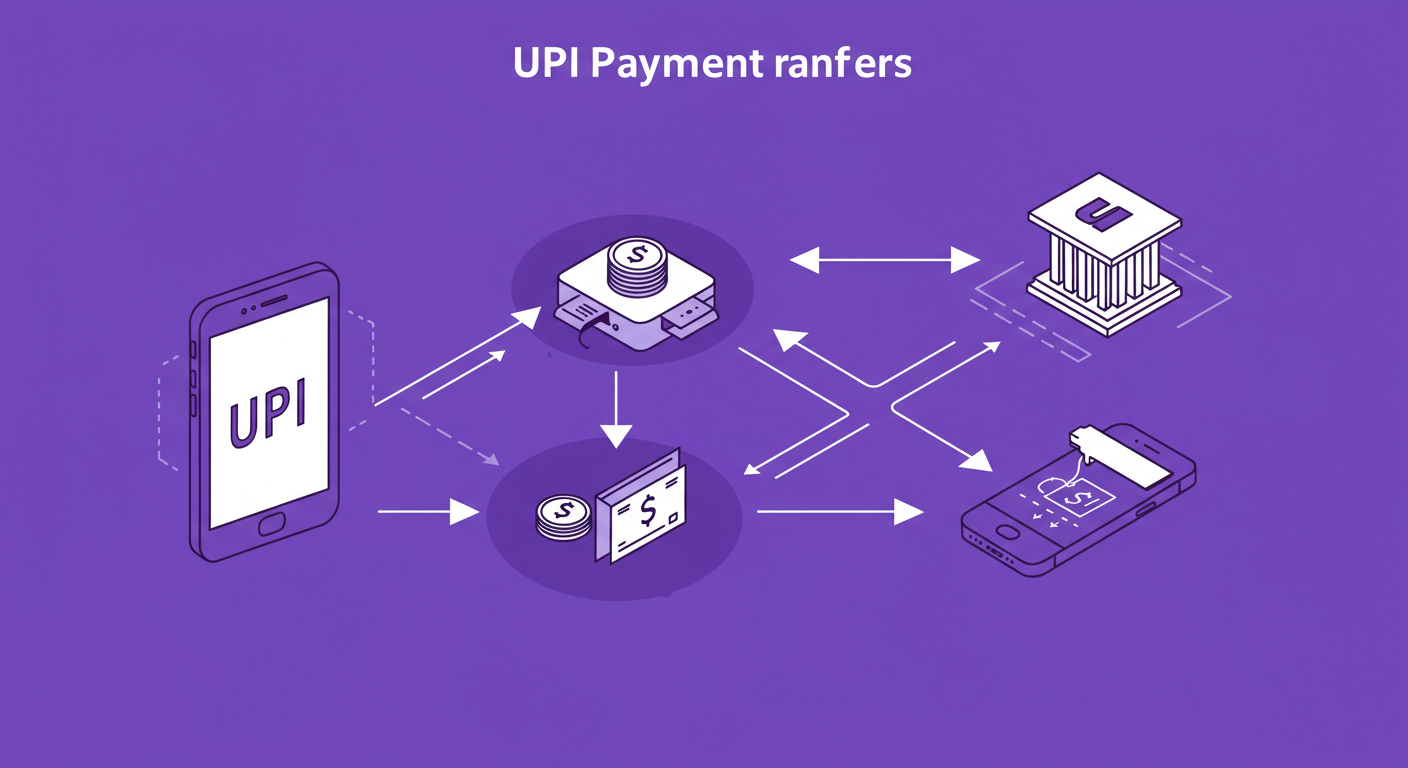
What UPI Can Do (And What It Can't)
Before getting into how bill splitting works, let's be clear about UPI's role:
UPI's Strengths
- Send money instantly to any UPI user in India
- Works 24/7, 365 days — no banking hours
- Zero fees for person-to-person transfers
- No minimum transaction amount (₹1 to ₹1 lakh+)
- Works across all banks without needing account numbers
- Available on every UPI app (GPay, PhonePe, Paytm, BHIM, bank apps)
What UPI Alone Cannot Do
- Track who paid for what in a group
- Calculate who owes whom after multiple shared expenses
- Simplify complex debt networks into minimum transfers
- Maintain expense history for a group over time
- Handle unequal splits (one person excluded, percentage-based splits, etc.)
This is why expense tracking apps exist — not to replace UPI, but to provide the intelligence layer that UPI lacks.
The Complete UPI Bill Splitting Workflow
Phase 1: Set Up Your Group
When a group trip, shared flat arrangement, or event expense pool begins, create a Niptao group and add everyone who will share expenses.
Examples:
- "Manali Trip — June 2026" (6 friends)
- "Koramangala Flat — Rahul, Priya, Dev" (3 flatmates)
- "Diwali Party — Office 2026" (12 colleagues)
Everyone gets added. Everyone can log expenses. Everyone can see the running balance.
Phase 2: Log Expenses As They Happen
This is the habit that makes everything work. Every time anyone in the group pays for something shared, they log it immediately in Niptao.
"Dinner at Barbeque Nation — ₹4,200 — paid by Vikram — split 6 ways"
Takes 15 seconds. The app calculates each person's share automatically and updates everyone's running balance.
Common expense entries on a typical group trip:
| Expense | Amount | Paid By | Split |
|---|---|---|---|
| Hotel (2 nights) | ₹9,600 | Ananya | 4 ways |
| Train tickets | ₹3,200 | Rahul | 4 ways |
| Cab from station | ₹480 | Priya | 4 ways |
| Lunch, Day 1 | ₹1,680 | Vikram | 4 ways |
| Museum entry | ₹800 | Rahul | 4 ways |
| Dinner, Day 1 | ₹2,400 | Ananya | 4 ways |
| Scooter rental | ₹1,200 | Priya | 3 ways (Dev didn't ride) |
Notice the last entry: Priya splits the scooter rental 3 ways because Dev didn't use it. Niptao handles custom splits like this without any complexity.
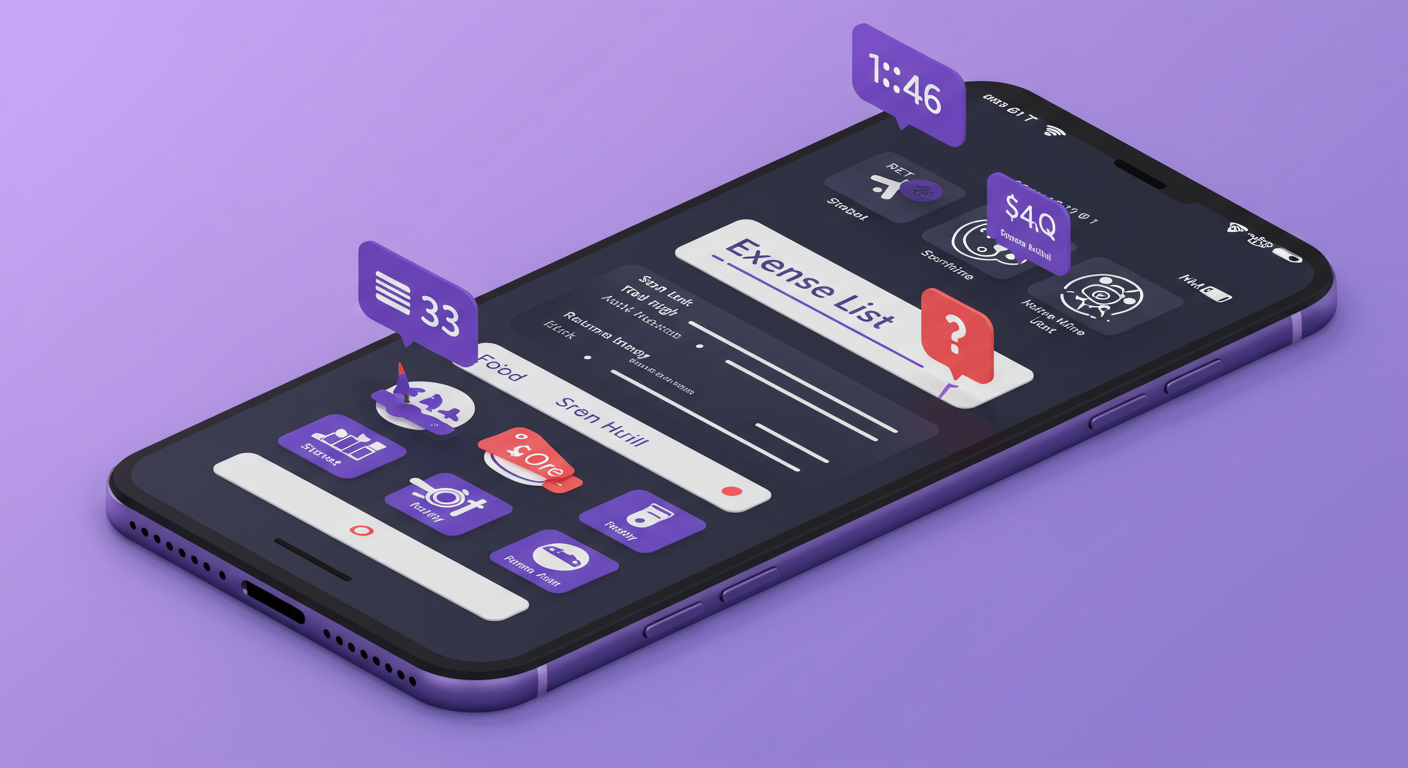
Phase 3: Debt Simplification
After 30–50 expenses, the raw debt picture is messy. In a 6-person group, each person could theoretically owe every other person something, creating up to 15 debt relationships. Settling each one individually would mean 15 UPI transfers.
Niptao's debt simplification algorithm collapses this into the minimum possible number of transfers.
How it works (simplified):
- Calculate each person's net balance (total paid minus total owed)
- People who paid more than their share are owed money (creditors)
- People who paid less than their share owe money (debtors)
- Match debtors to creditors — debtor pays creditor directly
Result for a typical 6-person trip:
| Without simplification | With Niptao simplification |
|---|---|
| Up to 30 transfers | 4–5 transfers |
| ~30 min of UPI switching | ~5 min of settlements |
| High risk of missed payments | Clean, verified settlement |
Phase 4: UPI Settlement
Niptao generates a settlement plan: "Rahul pays Ananya ₹1,800. Priya pays Vikram ₹1,200. Dev pays Ananya ₹600."
Each person executes their transfer via their preferred UPI app:
With Google Pay (GPay):
- Open GPay → Pay
- Enter UPI ID or mobile number
- Amount is pre-known from Niptao
- Add note: "Manali trip settlement"
- Pay — done in 8 seconds
With PhonePe:
- Open PhonePe → Send Money
- Search contact
- Enter amount
- Transfer
With any bank app:
- Open bank app → UPI transfer
- Enter UPI ID
- Enter amount
- Authenticate (PIN or biometric)
- Transfer
Once each person marks their payment in Niptao, the group balance shows zero. Trip settled. Clean close.
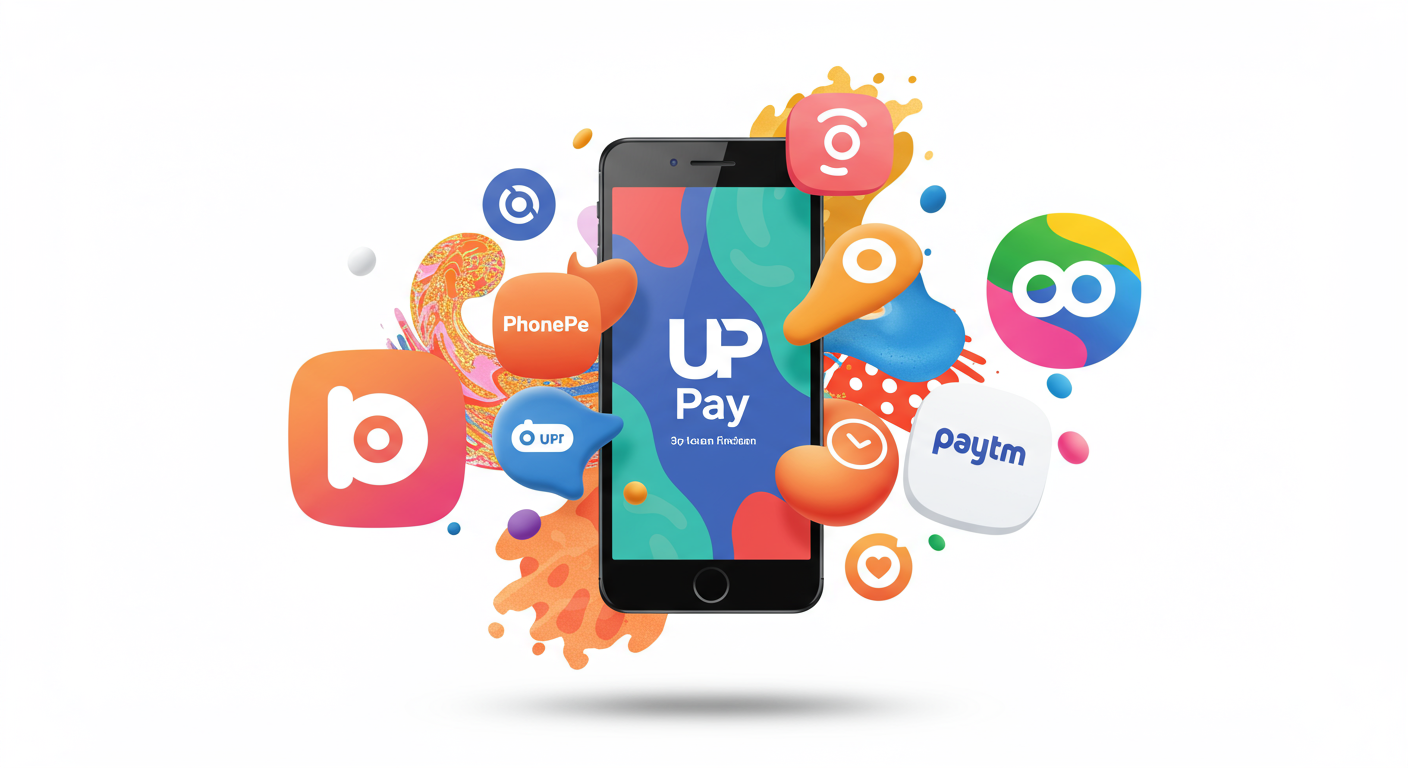
Why UPI Is Perfect for Expense Settlement
Speed
UPI transfers complete in under 3 seconds. Your friend in Mumbai gets ₹1,840 from you in Bangalore — before you've finished the conversation about the trip.
No Cash Required
The biggest practical advantage: no physical proximity needed for settlement. Trip ends, everyone disperses to different flights, different cities — doesn't matter. Settle via UPI from anywhere.
Handles Any Amount
Settling ₹47? UPI works. Settling ₹14,300? UPI works. There's no minimum amount and fees for P2P transfers are zero. This makes micro-settlements completely frictionless.
Works Across All Banks
UPI is bank-agnostic. Your SBI account can send directly to their HDFC account, their Kotak account, their Federal Bank account — without any of them needing to share account numbers or IFSC codes.
Creates a Record
Every UPI transfer generates a transaction ID, a notification, and an entry in both parties' UPI history. If there's ever a dispute — "I already paid you" — there's a digital trail. No ambiguity.
The Niptao + UPI Difference
Other expense apps tell you who owes whom. Then they leave you to execute the payments manually — switch apps, find contacts, type amounts, send, return, mark settled. Five steps. Three apps. Multiple failure points.
Niptao is designed so the UPI settlement step is the natural, final step of the app's workflow. The debt is calculated. The settlement plan is displayed. UPI handles the money movement. Done.
For Indian users who use UPI for every payment, this integrated approach is the only one that makes sense.
Split any bill four ways — equal, exact items, percentage, or shares. UPI-ready, INR-native.
Looking for the full playbook? See our pillar guide: How to split bills with friends in India (2026) — covers every scenario, app, and UPI flow in one place.
Sources & methodology
Numbers in this guide are anchored to April–May 2026 listed prices on MagicBricks, NoBroker, and 99acres, the published electricity-board slab schedules, and field reports from Niptao users.
- NHB Residex — housing price index
- MagicBricks rent & sale price trends
- NoBroker rent insights
- Numbeo cost of living — India
FAQ — How Upi Bill Splitting Works
What makes UPI bill splitting different from just sending money? UPI bill splitting = UPI payment + expense tracking in one flow. Just sending money doesn't record the context ("who paid for what, why"). An app like Niptao connects the two.
Can UPI bills be auto-split without manual logging? Not yet — UPI itself doesn't know the group context. You'd need a shared record (like Niptao) to decide who's in the split and how.
Is there a UPI feature for group payments natively? UPI Autopay exists for recurring payments, but not for group bill splitting specifically. Bill splitting is layered on top of UPI by apps like Niptao.
What happens if someone in the group doesn't have UPI? Log them as a "guest" in Niptao. Settlement can be cash or NEFT. They just won't get the one-tap UPI deeplink experience.
Is UPI bill splitting secure? Yes — the UPI transfer itself is as secure as any UPI payment (bank-to-bank, authenticated). The splitting logic is client-side in the app; no money flows through the app.
Keep reading
- Best Free Bill Split Apps in India 2026 — Ranked & Compared
- Best Bill Splitting Apps in India 2026: Honest Comparison (with UPI)
- Bill Splitting Apps That Actually Support UPI in India (2026)
- Bill Split Calculator
- Monthly Expense Splitter
Ready to niptao karo? Create a free group on Niptao and settle via UPI in seconds.
Ready to try Niptao?
Free bill splitting with UPI settlement. No credit card needed.
Get started free→